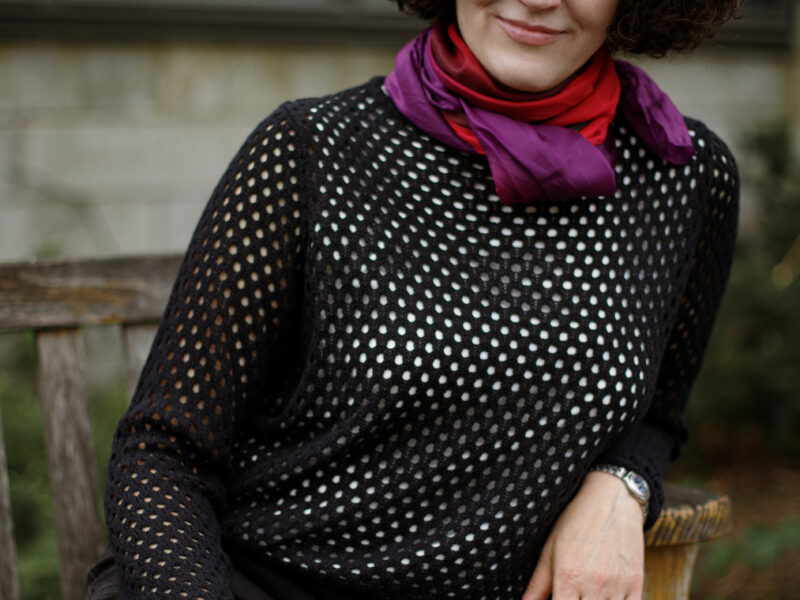
Leo Lapuerta’s father was a pulmonologist in San Antonio, and he took his son with him to work. The family had come from Valencia, Spain. The son grew up a native Spanish speaker in Texas, went to Stanford University and settled there on medical school.
More than 30 years and more than 30,000 surgical and non-surgical procedures later, Dr. Leo Lapuerta sees facelift patients from Katy, one of the Houston-area communities where his practice keeps an office. For a Katy resident deciding whether a facelift makes sense, his path into surgery explains a good deal about how he frames the decision.
From San Antonio to the operating room
After Stanford, Dr. Lapuerta attended UT Southwestern Medical School, completed general surgery training at St. John’s Hospital in Detroit and finished a plastic and reconstructive surgery fellowship at St. Joseph Hospital in Houston. He counts 16 years of education and training after high school.
He fell for surgery in medical school and chose plastic surgery for its range of patients, women and men of every age. He sums up the appeal in one line: “Plastic surgery allows you to reform the physical body in a way that restores a patient’s soul.”
Today he is Chairman of Plastic Surgery at St. Joseph Hospital. He teaches surgeons in training through UT-Houston Plastic and Reconstructive Surgery, the University of Texas Medical Branch in Galveston and the Plastic and Reconstructive Surgery Fellowship at Houston Methodist Hospital. He holds certification from three boards: the American Board of Plastic Surgery, the American Board of Surgery and Surgery of the Hand.
The operation a Katy patient is weighing
A facelift, which surgeons call a rhytidectomy, lifts deeper tissues, tightens the support layer beneath the skin and removes excess skin. The practice lists the concerns it targets: sagging along the jawline, loose skin in the lower cheeks, jowls, deep nasolabial folds and excess skin beneath the chin.
The practice is frank about limits. A facelift does not replace skincare, does not erase pigment changes from sun exposure and may not correct poor skin quality, etched lines or volume loss on its own. Patients with those concerns may benefit from fat transfer or skin resurfacing as part of the plan, and laxity that extends into the neck may call for a neck lift.
The practice describes six versions of the operation, from the mini facelift for early changes to the traditional, SMAS, deep plane and extended deep plane approaches, plus revision facelifts for patients who have had surgery before. The choice depends on where the laxity sits and how far it has progressed. A deeper technique is a better fit only when the anatomy calls for it.
Recovery in plain terms
The practice lists an average facelift procedure time of four to six hours and a recovery time of two to three weeks, with the length of surgery varying by method and by whether a neck lift or other procedure is added. Swelling and bruising peak in the first few days. Over the following weeks the skin settles and the incisions improve, and final results keep refining as residual swelling fades and scars mature.
Most patients control discomfort with prescribed pain medication. Tightness, numbness and swelling are more common than severe pain. Patients need to limit lifting and strenuous exercise, keep the head elevated and protect the skin from sun. Like any surgery, a facelift carries risks, and the consultation is the place to go through them in detail.
The Katy office
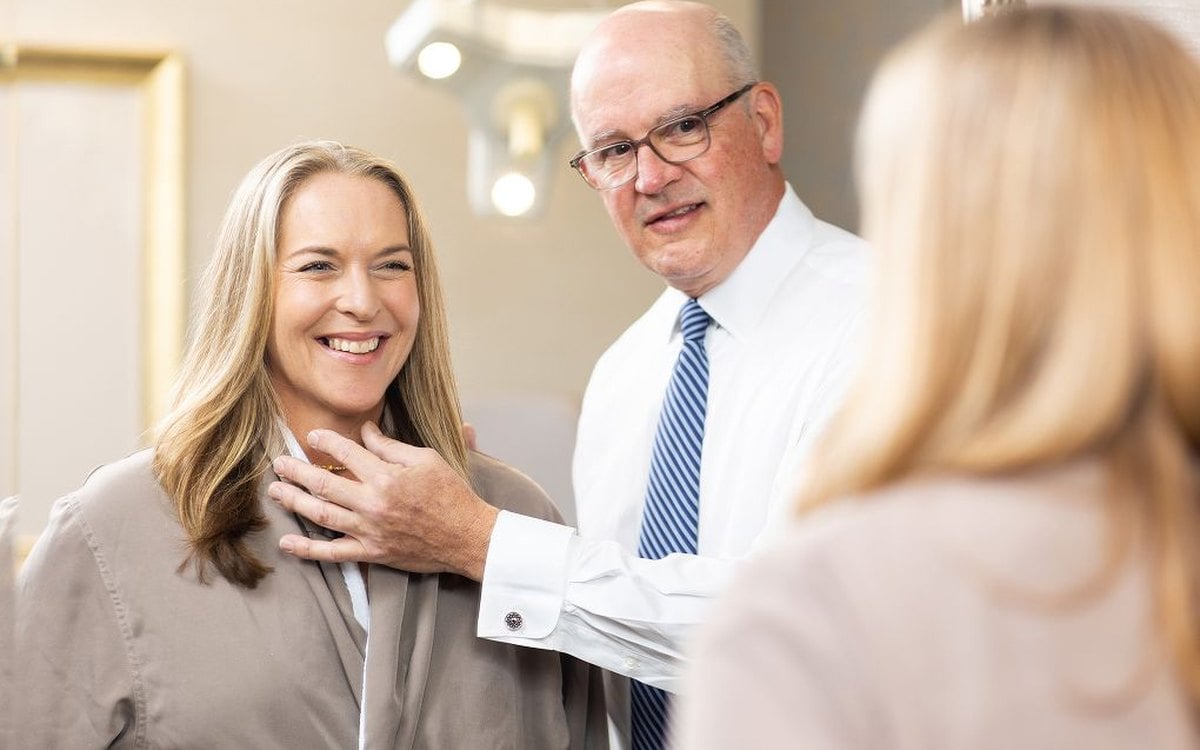
For Katy patients, the practice puts weight on communication, describing consultations in down-to-earth language without confusing medical jargon. Dr. Lapuerta’s support staff speak English and Spanish, which lets Spanish-speaking patients talk through a facelift plan in the language they think in.
The face procedures the practice lists for Katy patients include facelift, mini facelift, neck lift, eyelid surgery, brow lift and facial fat transfer. Surgery itself takes place in a QuadA (AAAASF) accredited surgical facility that Dr. Lapuerta owns and operates, and he works only with physician anesthesiologists rather than nurse anesthetists or anesthesia assistants.
He also holds hospital privileges in the Memorial Hermann network, at HCA hospitals including The Woman’s Hospital of Texas and at St. Luke’s Houston Medical Center. Before any surgery is scheduled, a Katy patient can review the practice’s library of more than 3,000 before-and-after images and see how faces with a similar starting point turned out.
This article is for general information only and is not medical advice. Results vary from patient to patient. Consult a board-certified plastic surgeon or your physician about your own situation. Written in partnership with Joseph Lambert, a publicist working with Leo Lapuerta, MD Plastic Surgery.