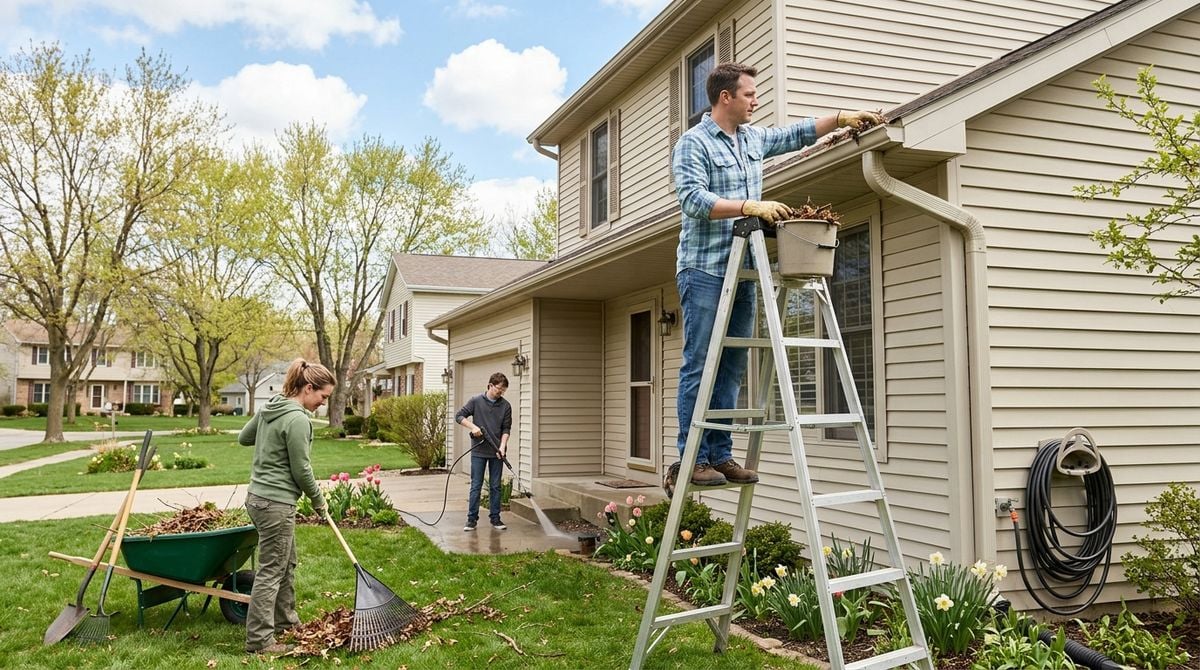
On a bright morning at the end of a long winter, a homeowner walked the yard and found a gutter full of leaves, a porch step loosened by frost and a window that would not close properly. Each problem had started months earlier, when the weather began to change. Home upkeep is easier when tasks follow the seasons rather than piling up all at once. This article explains which jobs fit each part of the year, why timing matters and how to build a simple rhythm that keeps a house in good shape without weekend emergencies. A steady routine also makes it easier to spot a new problem before it turns into an expensive repair. Even a modest house benefits from a little seasonal attention.
Late Winter Inspections
Once the weather softens, look over the home from the roof edge to the foundation. Check for water stains on ceilings, cracks in outdoor steps and any doors or windows that stick. Frost can push small problems into larger ones, so early attention saves effort later. Readers may also want to visit businessserviceschicago.com. Mark anything that needs a professional eye, and keep the notes in one place so the next season starts with a clear picture. Take a few photographs during the walk, since they make it easier to compare conditions from one season to the next. Walking the perimeter after a heavy rain can also reveal where water is pooling.
Spring Cleaning of Exteriors
Spring gives you the chance to wash siding, clear gutters and trim back plants that touch the walls. You can also visit teleworkpeople.com for more reading. Schedule these tasks on dry days, so surfaces can dry properly after washing. Note where water collects after rain, and mark the spots that need extra attention before the wetter months return. Clear drainage paths protect the foundation and help keep the basement dry. Working from the top of the house down prevents dirty water from streaking areas you have already cleaned. Checking the downspouts for loose joints during this visit can prevent a leak later in the year.
Summer Ventilation and Cooling
Summer tests fans, air filters and any cooling equipment in the house. Replace filters on schedule, and clear space around outdoor units so air can move freely through them. Ventilation in kitchens and bathrooms matters more when humidity rises, so check that exhaust fans work and that the ducts are not blocked. For a related read on this site, see Phasing a Renovation Across Seasons and Stages. Keep a small log of what was done, so you can see at a glance which systems need a closer look next time. Shade from trees or a simple awning can also reduce the load on a cooling system during the hottest afternoons. Sealing gaps around window frames during this season keeps cool air where it belongs.
Autumn Preparation for Cold Weather
Autumn is the time to prepare heating systems, seal drafts and drain outdoor hoses before the first hard freeze. Test smoke and carbon monoxide alarms, and replace batteries as needed. Look for gaps around windows and doors, and add weatherstripping where cold air sneaks in. Stock a small kit of tools and materials, so minor repairs can happen quickly when the cold weather arrives and the house feels the strain. Booking a heating check early in the season avoids the long waiting lists that form after the first chilly week. Clear the area around the furnace or boiler so that airflow stays unobstructed. Replace the furnace filter before the first run of the season as well. A quick test of each heating zone before the cold arrives can reveal a weak radiator or a sticking valve. Insulating exposed pipes before the first cold night is a small task that can prevent a large repair bill.
Holiday Season Walkthroughs
Before a busy period at home, walk through the house once more with fresh eyes. Check lights, locks and any step or railing that guests might use, and make sure paths are clear and well lit. Pay attention to the bathroom and kitchen, since those rooms see the most traffic during gatherings. Keep notes so the next season starts from a clear record of what was checked and what still needs attention. A calm walkthrough makes hosting much more relaxing. Adding a few extra lamps near the entrance can also make the house feel more welcoming after dark.
A Yearly Rhythm for Upkeep
Seasonal timing turns maintenance into a manageable habit rather than a looming project. Choose a fixed week for each season, keep a written list and carry unfinished items forward to the next visit. A house that is cared for in steps stays comfortable through every change in the weather. Over the years, the routine becomes second nature, and small problems are caught while they are still small. The home also holds its value better when its upkeep is steady and documented.