Shared play can be one of the most enjoyable parts of working together. A regular game night gives colleagues a chance to laugh, compete and talk about something other than deadlines. Yet even a lively tradition can lose its energy. The same players arrive, the same games come out of the cupboard, and the evening drifts toward the familiar routine that everyone has seen before. When that happens, the event stops building connection and starts to feel like another item on the calendar.
This article looks at the signs that your team’s game time needs a change. It then suggests practical steps you can test without turning the whole tradition upside down. The goal is a shared activity that keeps people curious, welcomes different tastes and still feels like a break from ordinary work.
Same Format, Same Players, Same Results
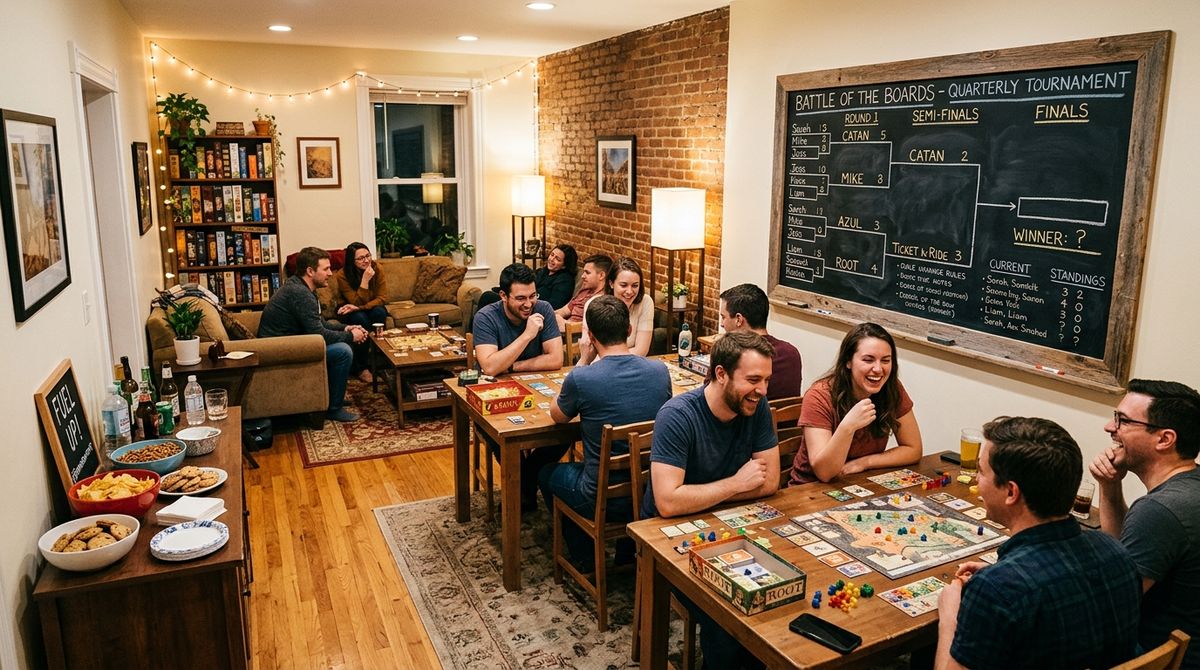
A format that once felt exciting can become predictable after many repetitions. When everyone knows who will win and which jokes will come up, the energy drops. Notice whether the same few people dominate every session and whether quieter colleagues ever join in. Those patterns tell you that the format is shaping the experience more than the people do. Readers may also want to visit pdxmagazine.com.
Try a small change before redesigning everything. Rotate the host each session, or split the group into mixed teams so that different colleagues work together. Ask participants afterward which part they enjoyed most. Their answers will show whether the change is improving the atmosphere or simply moving the same problems around.
Games That Stop Matching the Team
Game preferences shift as teams grow and new people join. A game that delighted a small group several seasons ago may now feel too long, too competitive or too complicated for the current mix of colleagues. You can also visit ohitsjustperfect.com for more reading. That simple check helps everyone stay engaged.
Create a short list of options that cover different needs. Include a fast game for a quick break, a cooperative game that encourages teamwork and a longer strategy game for those who enjoy deeper play. Let the group vote on the next session, and keep the list updated as preferences change. Variety keeps the event feeling fresh without requiring a new plan every week.
Measuring Whether Team Time Helps
Shared play is valuable only when it supports the team’s wider goals, such as trust, communication and a sense of belonging. Rather than guessing whether the event is working, ask a few simple questions after each session. Did people talk to colleagues they rarely meet? Did anyone share an idea that later helped a project? For a related read on this site, see Using Garden Themed Games to Kick Off Team.
Keep the feedback light. A quick poll with three or four questions is enough. Look for trends across several sessions rather than reacting to one unusual evening. If participation drops, the cause may be timing, workload or a format that feels forced. Each of those can be adjusted with little effort.
Trying a New Format Without Overhauling Everything
When the energy has faded, it is tempting to scrap the tradition entirely. That approach can disappoint people who value the routine. A gentler option is to introduce one new format at a time while keeping the parts that still work. For example, you might keep the regular date but switch from a competitive tournament to a collaborative puzzle. You might also invite a colleague from another department to run a short game they enjoy. Rotate responsibility for choosing the next game so that everyone has a voice.
Give each new format a clear trial period and a simple way to share feedback. If the experiment succeeds, keep it and try another. If it does not, return to the earlier version without fuss. This steady approach shows the team that their input matters and that the event will keep evolving. Thanks to that openness, people often arrive curious rather than wary.
Keep a note of which formats worked best, and share it with the group before the next session. Players often enjoy knowing that their feedback shaped the plan. Over time, the notes become a helpful menu of tried favorites and promising experiments that the team can revisit whenever energy starts to slip. A quick thank you message afterward can also help people feel valued.
Keeping Shared Play Fresh and Fair
Team game nights stay lively when they remain inclusive and adaptable. The signs that the event needs attention include the same players winning every time, quiet colleagues staying silent and a format that no longer fits the group. Respond by rotating roles, offering a range of games and measuring whether the time together builds genuine connection. Small changes, tested with care, can restore the spark without losing the warmth that made the tradition worth keeping in the first place. Keep the format simple so the gathering stays a pleasure rather than a chore.