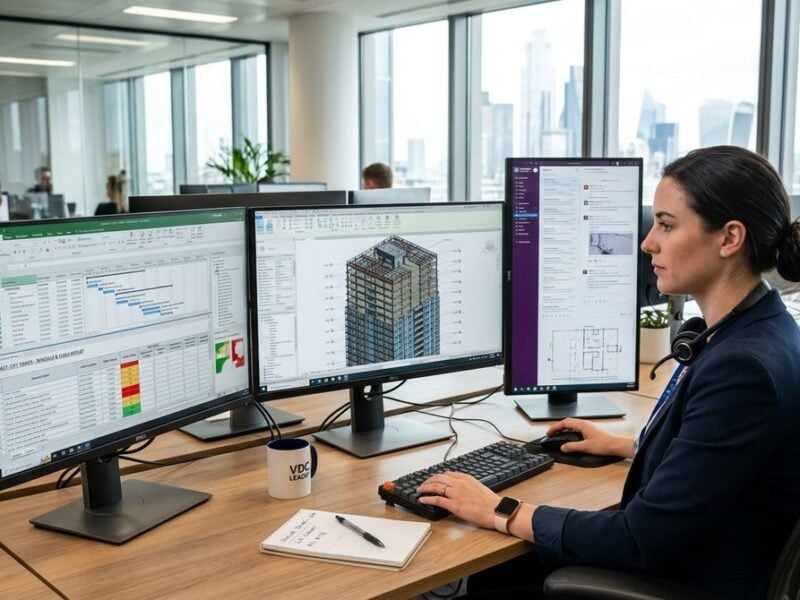

Small offices often struggle to fit health habits into busy schedules. Deadlines, phone calls and back to back meetings leave little room for stretching or a proper lunch. Simple routines, however, can protect energy without adding cost or complexity. This article explains practical ideas for building wellbeing into everyday work. It offers general information only and does not replace guidance from a qualified health professional.
Begin With Movement Breaks
Long stretches of sitting are common in small offices, and they can leave people stiff and tired. Encourage short breaks every hour, even if they last only a minute or two. A gentle walk to the printer or a few shoulder rolls can refresh the body. Make breaks a shared norm rather than a private decision.
Readers may also want to visit Edmentum. Share one exercise each week in a team message or on a whiteboard. Choose moves that suit a range of ages and abilities. Ask staff for feedback so the routine fits the room.
Check whether the layout of the office encourages people to stand and move naturally. Simple changes, such as placing a printer across the room, can add a few helpful steps. Look for routes that feel natural rather than forced. Good design quietly supports the routine.
Make Water and Snacks Easy to Reach
Hydration and steady snacks support focus during long afternoons. Place a water container where everyone can reach it without leaving their desk. Keep a basket of simple snacks in a shared space and replenish it on a fixed day. Easy choices tend to beat good intentions.
You can also visit awomansviews.com for more reading. Read them to choose options that suit your staff and your budget. Avoid rules that feel like policing. Friendly guidance works better than strict control.
Offer a simple guide to healthy snacks that the team can refer to during planning. Keep the options flexible so that different preferences feel respected. Avoid naming individuals or judging personal choices. The goal is a supportive environment rather than a rulebook.
Adjust Lighting, Noise and Seating
Comfortable surroundings affect how people feel during a long day. Adjust blinds to reduce glare on screens and add a lamp where overhead light feels harsh. Set up a quiet corner for calls or focused work. Small changes like these cost little and are easy to reverse.
For a related read on this site, see Red Flags That a Game-Based Service Model Needs. Encourage staff to adjust chairs and monitor heights to suit their bodies. Provide a footrest or cushion for anyone who needs extra support. Personal comfort helps people stay engaged for longer.
Plan a short walk after a shared lunch so colleagues can chat in a relaxed setting. Invite people to join at their own pace and choose a route that is easy to follow. Keep the walk optional and short enough to fit a normal break. Rotate who leads the walk each month so the activity feels fair and fresh. Mention the walk on the team calendar a day before so people can plan. Shared movement builds friendship as well as fitness.
Set Up Clear Ways to Ask for Help
Stress rises quickly when people feel they cannot speak up about workloads or health concerns. Establish a simple path, such as a monthly one to one check in or an anonymous feedback box. Make sure managers know how to respond with respect and privacy. Trust grows when staff see that requests lead to action.
Share contact information for local support services on a notice board or in an onboarding packet. Keep it general and current so it stays useful. Let staff know that taking a day to rest after illness is a normal part of working life. Clear policies reduce confusion during difficult weeks.
Train managers to listen without rushing to solve every problem. A calm, patient response often helps more than advice. Follow up with a short note after a difficult conversation. Thoughtful listening keeps the relationship strong.
Review Routines Every Few Months
Routines work best when they are reviewed and refreshed. Set a calendar reminder to check which habits are still used and which have faded. Ask the team what helped and what felt forced. Adjust the plan based on those answers.
Celebrate small improvements, such as fewer complaints about tired afternoons or more people joining the stretch break. Keep the tone encouraging rather than judgmental. A healthy workplace grows from many small choices made consistently. Simple routines can outlast any one trend or campaign.
Mark the review date on the shared calendar so the habit does not slip. Ask one person to lead each review and rotate the role over time. Fresh leaders bring new ideas to the table. A shared responsibility keeps the routine alive.
Health routines do not need a large budget or a dedicated wellness team to matter. Brief movement breaks, easy snacks, comfortable setups and open communication add up over time. Pick one routine to start this week and invite the team to shape it.