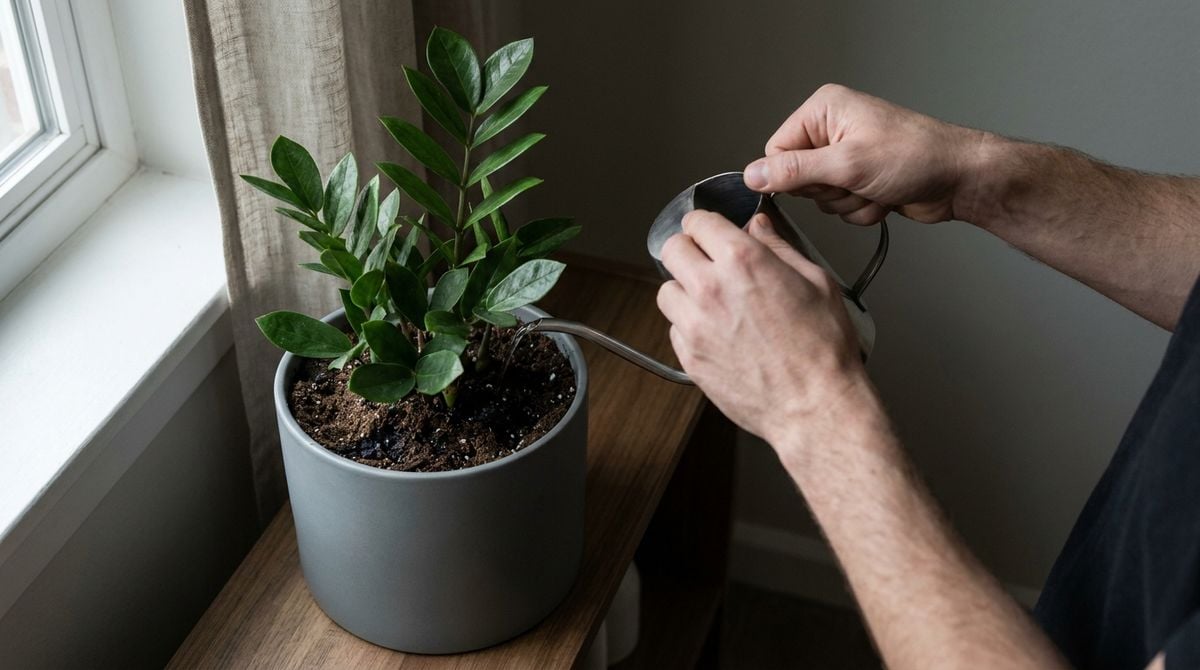
A small plant business lives or dies by its water bill and its time. Hand watering every tray each morning can eat hours that a family could spend on other work, while a system that runs without constant attention often pays for itself through steadier growth and less wasted water. This article looks at practical watering habits that a family-run nursery can adopt gradually, with an eye on keeping running costs low over the years.
Grouping Plants by Water Needs
Start by sorting every tray, pot and bed into groups that want similar amounts of moisture. Succulents and herbs rarely need the same schedule as leafy annuals, so mixing them on one line wastes water and risks root problems. Write each group on a card at the bench so whoever waters can follow the plan without asking. Grouping costs nothing, and it changes the whole week of work.
Pay attention to pot size as well. Small containers dry out fast and need frequent attention, while large ones hold moisture longer. Readers may also want to visit bestdualfuelgenerator.com. Revisit the groups each season because plants grow and their needs change.
Drip Lines and Timers for Steady Moisture
A drip line delivers water close to the roots, which cuts evaporation and reduces the spray that wets leaves and invites disease. A basic timer on the supply valve can run each zone for a set number of minutes, so the schedule holds even on busy days. Choose emitters that match the flow rate of your supply, because mismatched parts leave some pots dry and others soaked.
Check the lines once a month for leaks and clogged emitters. Flush the filter when the flow drops, and replace worn washers before they waste water across an entire bench. You can also visit Design Shanghai for more reading.
Rain Barrels and Collected Water
Rain barrels turn roof runoff into free irrigation for the warmer months. Place them where gutters drain cleanly and raise them slightly so a hose or pump can draw water by gravity. Add a fine mesh screen at the inlet to keep leaves and insects out, and use a lid to limit mosquitoes and algae. For a related read on this site, see Team Game Nights That Stay Affordable and Waste.
Plan the storage for dry spells, because a single barrel empties quickly on a large bench. Link two or three barrels with an overflow pipe that directs extra water to a garden bed. Label the containers clearly, especially if children visit the site, and keep the area around them tidy so the space stays safe.
Scheduling Watering Around Family Life
Watering works best when it fits a fixed routine. Pick two times a day that suit the household, such as early morning and early evening, and let the timer handle the rest. Keep a simple log of what was watered and whether the soil felt right. Over a few weeks the log shows which trays need changes and which can stay as they are.
Assign a backup person for weekends and holidays so the schedule never depends on one adult. Show children how to check soil with a finger, which turns a chore into a learning moment and reduces accidental over-watering. A calm, predictable routine saves more water than any single gadget.
Seasonal changes matter a great deal for a nursery that sells plants to families. Warm spells call for more frequent checks, while cool weather keeps the soil damp for longer than expected. Adjust the timer each month so the schedule follows the calendar rather than habit. Write the changes on the same card used for plant groups, so the whole team can see the plan at a glance. Family members who take turns should review the card together once a month, since a short talk at the potting bench often catches small problems early.
Measuring What Water Costs Over Time
Read the meter at the start of each month and note the total beside the number of trays in use. This ratio shows whether the system is becoming more efficient as plants are grouped and emitters are maintained. Adjust the timer when the numbers rise without a clear reason, since a leak can hide in a busy season.
Share the figures with the whole family so everyone understands the reason for each change. Small gains in water use add up, and the money saved can go toward better potting mix or extra stock for the spring rush.
Steady Water Habits for a Long Season
A family plant business benefits from water habits that run quietly in the background. Grouping plants, using drip lines, collecting rain and keeping a simple log all reduce waste while protecting the plants you sell. Start with one bench this month, then extend the approach across the nursery as confidence grows. Patience with the routine is what turns modest savings into a lasting advantage.