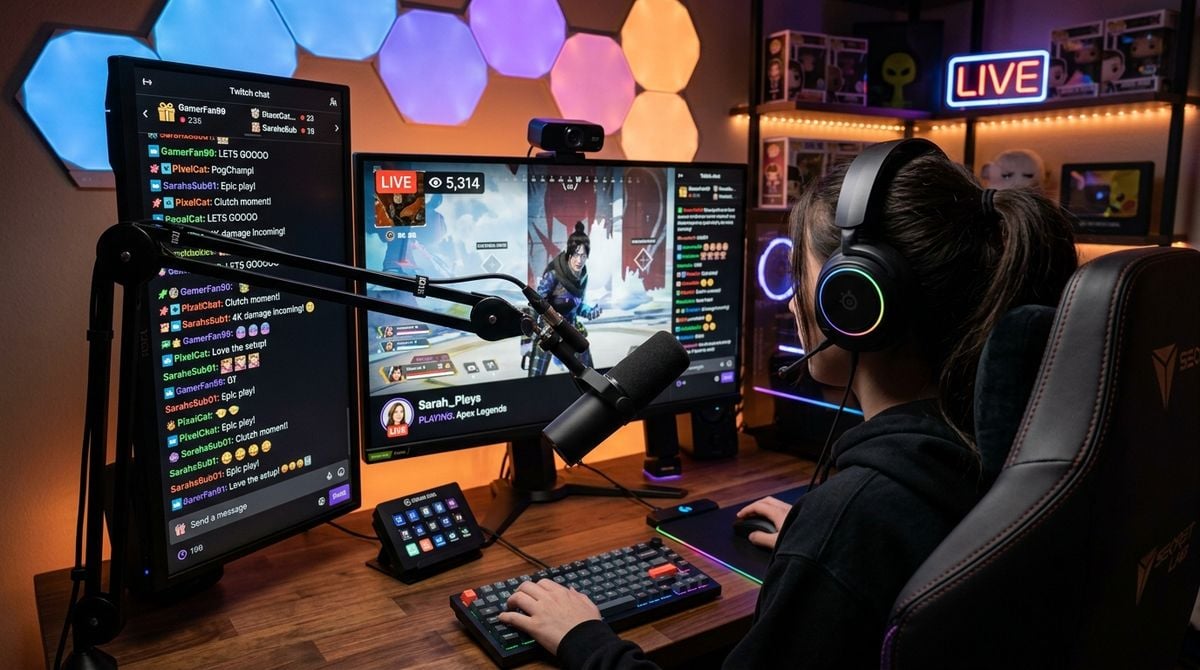
Live-service games promise an ever-changing world, with regular updates, seasonal events and a community that keeps growing. Those promises can be appealing, yet they also ask for steady attention and sometimes a steady budget. The decision on the table is whether a particular live-service game deserves a regular place in your schedule. The six checks below help you judge the time commitment, the update history, the community and the design of the game itself. Consider each check honestly, and remember that a fun first week does not always predict how the game will feel months later.
Estimate the Weekly Time Commitment
Begin by estimating how much time the game asks for each week. Many live-service titles reward daily log-ins with timed tasks, limited events and rotating goals that create pressure to return. Look at how long a typical session lasts and whether you can complete the main activities in short bursts. Readers may also want to visit work-at-home-net-guides.com. If the game only feels fun when you can play for hours, that may not match your schedule. Count the events you would need to attend to keep up, and be honest about whether you would really do so. Compare that total with the other hobbies and commitments you already have, since a game rarely competes on its own.
Review the Update and Shutdown History
A live-service game is only as good as the team that keeps it running, so study its update record closely. Look for a steady pattern of content updates, bug fixes and communication from the developer. Check whether the publisher has a history of closing older titles or removing features, since that can end your progress without warning. You can also visit rea-evolution.com for more reading. A stable update habit is one of the strongest signs that the game will still feel worthwhile later. Read how the developer announced past changes, because the tone of those announcements tells you a lot about how decisions are made. Look for whether the developer apologizes and explains fixes, since that candor often predicts how problems will be handled later.
Look at the Community and Matchmaking
A live-service game can feel very different depending on the people you meet inside it. Look at forums, official channels and streaming communities to see whether players are welcoming, whether harassment is moderated and whether newcomers receive help. Consider how matchmaking works and whether you will be placed with players at a suitable skill level. A healthy community makes a regular session feel social rather than stressful. If the atmosphere looks hostile, the game may be difficult to enjoy for long. For a related read on this site, see Buying a Home With a Backyard Pool: Assumptions.
Check Whether Offline or Solo Play Is Possible
Some players want the freedom to play when no internet connection is available, while others prefer to play alone at their own pace. Find out whether the game offers meaningful solo content or whether most rewards depend on group activities. Look at the menus for offline modes, and check whether progress syncs across devices. A game that respects solo players is easier to fit around travel, work and family life. Make sure the parts you want to play are not locked behind a requirement you cannot meet. Solo options also help when your friends are busy and the regular event still needs attention. Check that solo rewards keep pace with group rewards so that playing alone does not feel like a penalty.
Notice the Spending Pressure
Many live-service games include optional purchases for cosmetics, boosts and passes, and some designs make those offers feel urgent. Review the store structure and note how often limited-time offers appear. Ask whether you can progress comfortably without spending, and whether any purchase is required to take part in the main content. Setting a firm personal limit before you start helps you avoid decisions made in the middle of a busy event. Treat any urgent countdown as a cue to pause rather than rush. Check whether purchases can be refunded if you change your mind soon after buying.
Consider Friends and Shared Routines
Live-service games often feel better when a friend joins you for the regular events. Ask whether people you already play with are interested in the title and whether they can keep up with the schedule. Shared routines can add motivation, but they can also create pressure to log in when you would rather rest. Decide whether you want the game as a social anchor, a casual pastime or a rare treat. Being clear about your reason makes it easier to stick with the choice. A group that agrees on a flexible plan usually has more fun than one that feels obliged to attend every event.
Deciding on Your Own Terms
After the six checks, decide whether the game fits the time, budget and social life you actually have. If the schedule is manageable, the updates are steady, the community is welcoming and spending is optional, the game may earn a regular place. If two or more checks raise concerns, consider waiting, trying the game in short sessions first, or choosing a title with a clearer end point. Your attention is valuable, so give it to the game that will still feel rewarding after the novelty fades.