
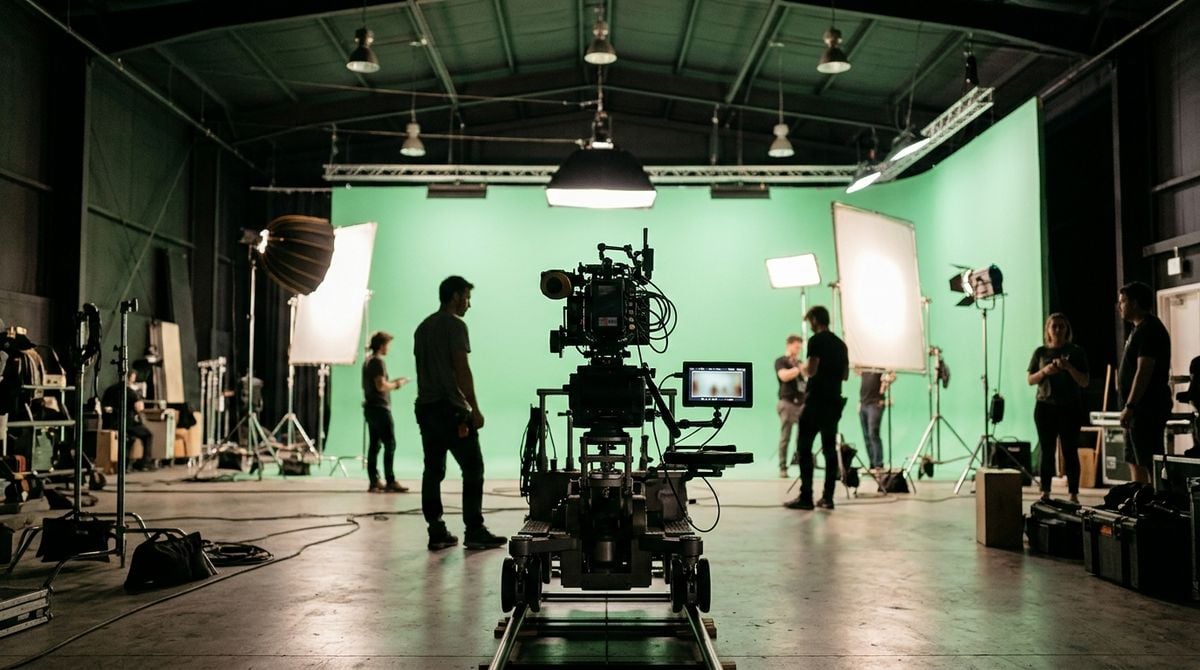
Clear, consistent communication has become a primary driver of modern commercial growth. Business owners, agency leaders, and department heads no longer rely solely on external media outlets or sporadic press releases to share their perspectives. Instead, forward-thinking organizations are taking direct ownership of their messaging by producing company podcasts, educational client briefings, and executive updates right from their own workplaces.
When potential clients, prospective hires, and industry peers can listen to the actual voices behind an enterprise, professional trust develops far more quickly. An episodic audio series allows founders and specialists to articulate their philosophy, unpack complex industry challenges, and explain product benefits in a natural, conversational tone. Producing this media internally ensures that commentary remains timely and aligned with corporate goals.
Bringing media production under your own roof provides tremendous agility, but achieving consistent quality requires deliberate operational systems. Rather than treating recording as an afterthought with basic laptop microphones in crowded hallways, growing firms benefit from treating studio operations as a core business function. Just as modern enterprises establish clear procedures for equipping modern mobile teams for daily operations, setting up an in-house media facility demands thoughtful planning, sensible hardware selection, and repeatable working habits.
Selecting an Acoustically Sound Production Space
The most common obstacle to professional sound quality is an untreated physical environment. Modern corporate architecture frequently favors open-plan layouts, tall ceilings, expansive glass partitions, and polished concrete or hardwood flooring. While these elements create visually stunning work environments, they reflect sound waves in ways that produce severe echoes and hollow vocal tones. When voices bounce erratically off reflective boundaries, the resulting audio tires the listener and distracts from the core message.
You do not need to construct a soundproof bunker to achieve broadcast-grade results. The primary goal is selecting an interior room that naturally dampens sound reflections and sits far from disruptive office activities. Smaller conference spaces, quiet executive libraries, or repurposed storage rooms positioned away from exterior street frontage, loading docks, and kitchen areas make excellent starting points. Rooms with carpeting, upholstered chairs, and perimeter bookshelves naturally absorb stray reflections.
If your chosen space still produces noticeable flutter echoes when you clap your hands, simple acoustic adjustments can quickly remedy the issue. Hanging dense fabric curtains, placing decorative acoustic panels along parallel walls, and laying thick area rugs over hard surfaces will absorb problematic mid-range frequencies. Additionally, remember to evaluate overhead climate systems. Positioning recording desks away from ceiling vents or temporarily dampening airflow during production blocks low-frequency background hum before it reaches your equipment.
Investing in Dedicated Audio Equipment
When audiences consume business media, they demonstrate surprising tolerance for simple video compositions, but they will immediately abandon a recording plagued by harsh, muffled, or distorted audio. Crisp vocal reproduction signals competence, attention to detail, and respect for the listener’s time. Investing in reliable, purpose-built voice equipment is therefore one of the most cost-effective upgrades an expanding business can make.
Many organizations make the understandable mistake of buying delicate studio condenser microphones designed for treated sound stages. In a conventional office setting, these units capture unwanted keyboard typing, distant corridor conversations, and mechanical hums. Dynamic broadcast microphones are far better suited for standard office environments because their internal design naturally rejects off-axis ambient noise. A quality dynamic capsule focuses cleanly on the speaker positioned directly before it, minimizing extraneous room sound.
Before acquiring audio hardware, evaluate the physical arrangement of your recording desk and the vocal styles of your regular contributors. Researching product specifications and setup configurations through Microphone Authority helps managers select dependable voice hardware, stable boom arms, and effective pop filters tailored to speech recording. Equipping your studio with sturdy mounting arms and shock mounts prevents desk bumps and paper rustling from translating into low-end thumps on your master recording.
Managing Software and Digital Production Workflows
Capturing articulate speech requires a dependable digital bridge between your physical microphones and your editing computer. Standalone USB microphones can work for basic calls, but a dedicated multi-channel audio interface provides the stability and audio headroom needed for professional productions. These desktop units feature high-grade preamplifiers that boost weak microphone signals without introducing hiss, while offering separate headphone monitoring controls for every participant in the room.
Once audio signals enter your workstation, your recording software should simplify the session rather than introduce friction. Digital audio workstations allow production leads to set individual track levels, apply gentle non-destructive equalization, and remove occasional vocal pauses. Establishing a standardized project template with pre-labeled channels, balanced volume targets, and basic compression settings allows non-technical team members to launch recording sessions quickly without reinventing the setup every week.
Staying current with operating system requirements, hardware connections, and audio utilities ensures that your in-house studio remains reliable through ongoing software updates. Consulting comprehensive guides on technodetails.com provides practical information on computer hardware performance, digital accessories, and software tools that keep office production systems running without unexpected crashes. Familiarity with standard audio export formats also guarantees that your finished media maintains consistent loudness across various streaming platforms.
Establishing a Sustainable Production Routine
Technical failures in media production rarely stem from hardware breakdowns; they almost always occur because of rushed setup procedures and overlooked configuration details. A documented pre-flight checklist eliminates guesswork, reduces technical friction, and ensures that executive speakers can begin their remarks promptly. Treating recording sessions with the same disciplined preparation applied to client presentations transforms media production into an orderly, repeatable routine.
- Inspect cable terminations and confirm the audio interface receives adequate power.
- Adjust preamplifier gain so vocal peaks stay safely below distortion limits.
- Silence surrounding office phones, close email applications, and disable notifications.
- Record a brief voice sample to confirm audio clarity and channel balance.
- Verify that local storage directories are actively saving redundant backup files.
Once recording wraps up, raw files should immediately move into an organized central storage repository labeled by date, speaker name, and project title. Creating duplicate local archives before beginning post-production editing protects valuable discussions against accidental overwrites or equipment damage. When file naming conventions and folder structures are standardized, internal editors or external partners can locate assets instantly and produce final cuts without administrative delays.
Coaching Internal Speakers for Clear Delivery
The finest acoustic space and most capable audio hardware cannot compensate for an anxious or unprepared speaker. Many articulate corporate executives who command boardrooms become hesitant or monotonous when placed directly in front of a microphone. Developing internal communication talent requires coaching contributors on natural vocal presence, microphone distance, and relaxed pacing so that their genuine expertise shines through.
Encourage your speakers to rely on structured conversational outlines instead of reading dense scripts line by line. Reading written text verbatim often flattens vocal dynamics and sounds artificial to modern audiences. A bulleted roadmap keeps the discussion focused on key strategic themes while allowing speakers to find their natural phrasing. Remind participants to maintain an even distance from their microphone grille and avoid dramatic posture shifts while talking.
Establishing an in-house studio represents a lasting investment in your organization’s intellectual capital and market visibility. By combining a treated physical space, dependable audio equipment, and predictable operational checklists, your enterprise can regularly publish authoritative insights that resonate with clients and strengthen industry relationships. Developing these capabilities ensures that your enterprise speaks with clarity, consistency, and confidence whenever strategic opportunities arise.