
Prolonged periods of stress at work can put your mental – and physical – health at risk. “I’m stressed!” How many times have you uttered that phrase about work? A lot, most likely. And you’re not alone; being “stressed” is something that happens to the majority of us a lot during our careers and in […]
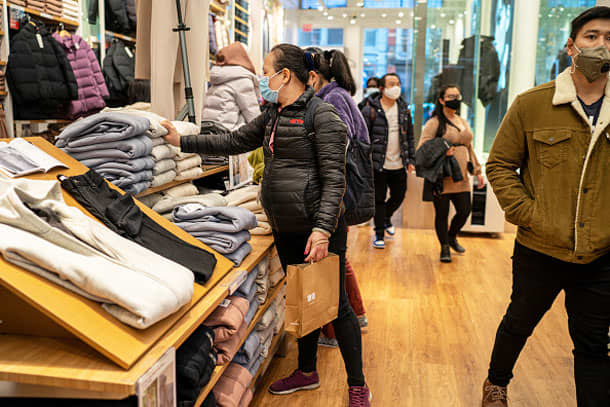
Shoppers search for clothing at Uniqlo Retail Clothing Company November 12, 2021 in New York City.
Robert Nickelsberg | Getty Images
U.S. shoppers accelerated their level of spending in October even as the prices of goods jumped at their fastest pace since the 1990s, the Commerce Department reported Tuesday.
Retail sales, a measure of how much consumers spent on goods ranging across categories from autos to sporting goods and food and gas, increased 1.7% for October, compared with 0.8% the previous month.
Excluding autos, sales also increased 1.7%, according to the Census Bureau advance estimate.
The two numbers were above the Dow Jones estimates of 1.5% for the headline print and 1% for the core sales gain.
Online shopping posted the biggest relative gain for the month, rising 4% and good for a 10.2% gain from a year ago. Soaring prices at the pump pushed gasoline sales up 3.9% in October. Year over year, sales increases at stations have surged 46.8%.
The news comes after the consumer price index, measuring a similar basket of goods, increased 0.9% for October and 6.2% year over year. That year-over-year gain was the strongest since 1991. Even excluding food and energy, the CPI was up 0.6% from the previous month and 4.6% year over year.
However, the retail sales numbers — which are adjusted for seasonal variations but not for inflation — indicate consumers are willing to pay the higher prices, despite a recent indication that sentiment is at its lowest level in 10 years.
“So much for soft consumer confidence signaling slower growth; what people do is much more important than what they say,” wrote Ian Shepherdson, chief economist at Pantheon Macroeconomics.
U.S. households have been flush with cash, thanks to a series of payments Congress approved to combat the Covid pandemic crisis. The spending has totaled more than $5 trillion and included transfer payments in the form of direct checks to millions of Americans, as well as enhanced unemployment benefits, most of which expired in September.
Savings totaled $1.6 trillion in the third quarter, well off the pandemic peak but still at a high level. However, worries over inflation have been creeping up in sentiment surveys.
Spending has remained brisk, however, with debt and credit card outlays up 27% on a two-year basis, according to Bank of America.
Overall, sales are up 16.3% on a year-over-year basis.
Electronics and appliances also rose substantially, up 3.8% for the month, while miscellaneous retailers and building material centers each rose 2.8% and motor vehicles and parts dealers saw a 1.8% increase.
However, sales at restaurants and bars were flat for the month despite rising 29.3% year over year, and clothing stores fell 0.7% but were still up 25.8% from the same point in 2020.
A separate report Tuesday from the Labor Department showed that import prices rose 1.2% in October, ahead of the 1% Dow Jones estimate and the fastest increase since May. That was well ahead of the 0.4% increase in September.
Also, industrial production rose 1.6% in October, ahead of the 1% estimate and a rebound from the 1.3% decline in September. And capacity utilization rose to 76.4%, its highest level since December 2019.
Correction: Excluding autos, sales also increased 1.7%, according to the Census Bureau advance estimate. An earlier version misstated the percentage.

Carpenters work on building new townhomes that are still under construction while building material supplies are in high demand in Tampa, Florida, May 5, 2021.
Octavio Jones | Reuters
Higher prices and longer wait times do not appear to be turning buyers away from the nation’s homebuilders. With demand still surging, homebuilder confidence in the market for single-family homes rose more than expected in November, to the highest level since last May.
Confidence rose 3 points to 83 on the National Association of Home Builders (NAHB)/Wells Fargo Housing Market Index (HMI). Anything above 50 is considered positive. Analyst expectations had been for it to remain unchanged at 80. Sentiment stood at 90 in November 2020.
“The solid market for home building continued in November despite ongoing supply-side challenges,” said NAHB Chairman Chuck Fowke, a homebuilder from Tampa, Florida. “Lack of resale inventory combined with strong consumer demand continues to boost single-family home building.”
Of the index’s three components, current sales conditions rose 3 points to 89. Buyer traffic also increased 3 points to 68. Sales expectations in the next six months were unchanged at 84.
While buyers are plentiful, most of the components that go into building a home are not. That has led some builders, like the nation’s largest, DR Horton, to slow sales in order to make sure they can deliver on time.
Company Chairman, Donald Horton, noted in the company’s most recent quarterly earnings release, “We continued intentionally restricting our home sales pace by selling homes later in the construction cycle to align with our production levels and better ensure the certainty of home close dates for our homebuyers.”
Not only are builders still experiencing supply chain disruptions and a massive labor shortage, they also can’t find enough land on which to build.
“Lot availability is at multi-decade lows and the construction industry currently has more than 330,000 open positions,” said NAHB Chief Economist Robert Dietz, who called on policymakers to focus on resolving these issues.
Regionally, on a 3-month moving average for HMI scores, sentiment in both the Midwest and South rose 4 points to 72 and 84 respectively. In the West it rose one point to 84 and in the Northeast fell two points to 70.
Entrepreneurship is the process of creating a new business from scratch. This generally begins as an idea that slowly gets formed to eventually offer a product or service to a particular market. This may sound easier than it is, as when you want to start a business, then you must also design and manage the […]
The post Five Essential Tips for Starting Your Own Business appeared first on Entrepreneurship Life.
Are you looking to expand or grow your business? You can improve your brand by hiring a marketing consultant. Top marketing consultants have skills including objectivity, being results-oriented, experience, and fresh thinking. With their skills, these marketing consultants can improve marketing performance, maximize your budget, and even act as your marketing department extension. Considering how […]
The post Top 4 Factors To Consider When Selecting A Marketing Consultant appeared first on Entrepreneurship Life.
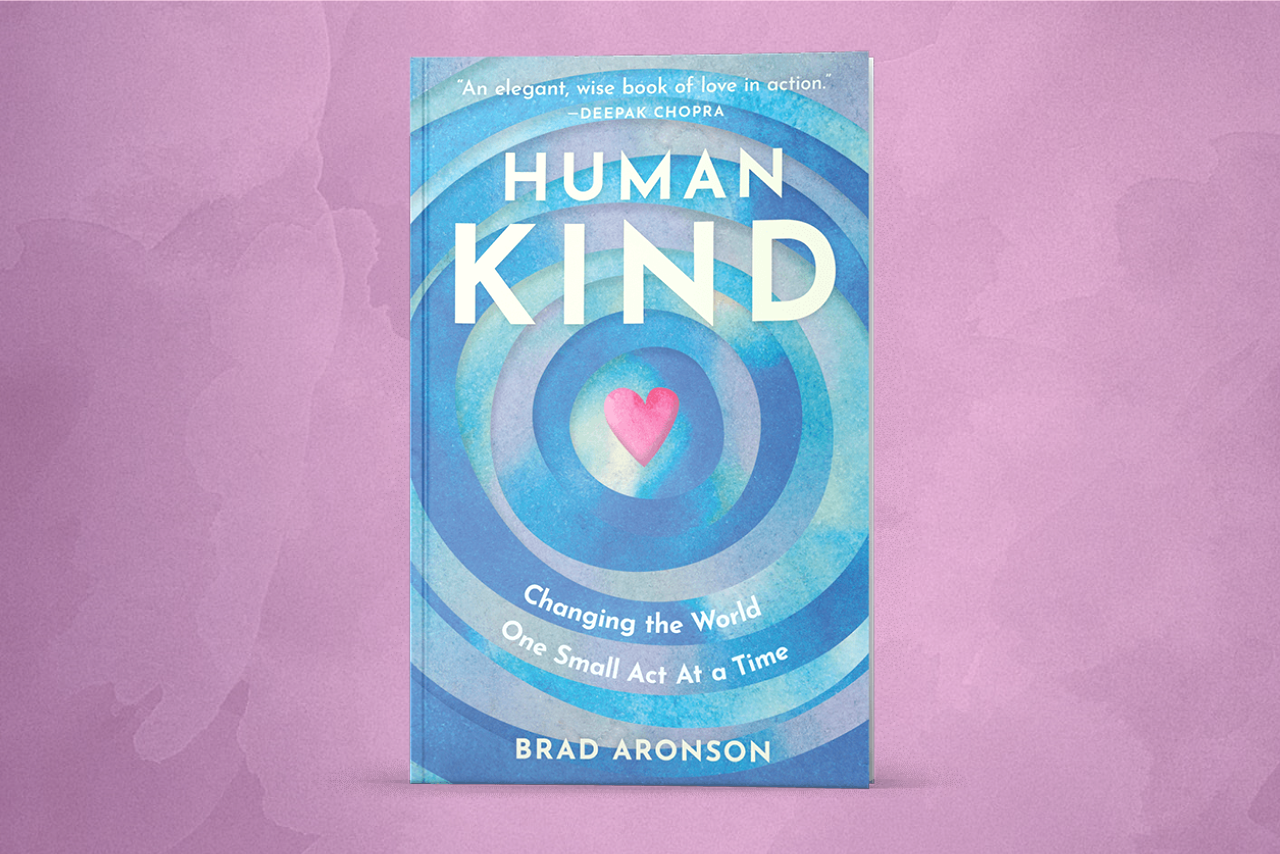
We’re approaching that time again, “the most wonderful time of the year,” they say.
Some love the holidays because they appreciate the comfort of tradition—the regalia, the reunions, the rituals.
Others delight in the nostalgia of holidays past, when all …
The post HumanKind: A Feel-Good Book That Can Lift Your Spirits & Change the World appeared first on Tiny Buddha.
“The universe makes a sound — is a sound. In the core of this sound there’s a silence, a silence that creates that sound, which is not its opposite, but its inseparable soul… Silence is a flower, it opens up, dilates, extends its texture, can grow, mutate… It can watch other flowers grow and become what they are.”

“No matter what you do, someone won’t be pleased. Someone will think your choices are wrong. And someone will tell you what you should do instead. No matter which path you take, someone will seem to be doing better. Someone …
The post 5 Tips to Stop Comparing Yourself to Other People appeared first on Tiny Buddha.
Brian Hart, the Founder and President of Flackable, an award-winning public relations agency in Philadelphia that represents financial and professional services brands nationwide joins Enterprise Radio.
The post Credibility Marketing to Fuel Your Growth appeared first on Enterprise Podcast Network – EPN.

“Perseverance is not a long race; it is many short races one after another.” ~Walter Elliott
I often find myself impatient with the pace of my progress. Waiting for my life to move forward can sometimes feel like I’m watching …
The post Are You Sick of Waiting, Wanting, and Wishing for a Better Life? appeared first on Tiny Buddha.