
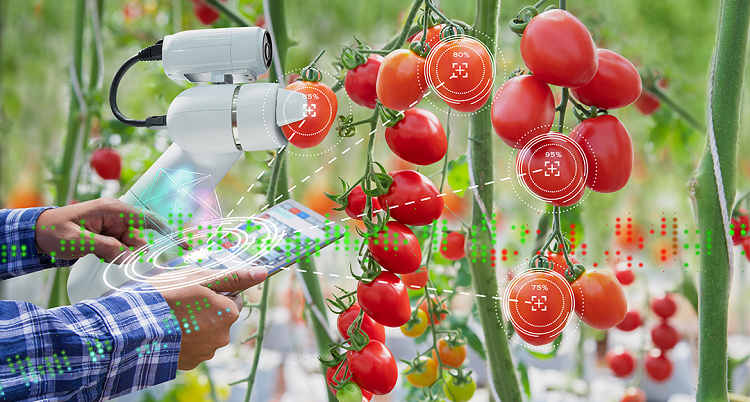
Technology has become the secret ingredient shaping how we grow, cook, and enjoy food. From farm automation to AI-powered recipes, innovations are redefining every aspect of the culinary world.
People now seek convenience, sustainability, and health in their meals and technology is making it all possible. The transformation is not just about eating smarter but also about reimagining the global food system to suit the demands of the future.
Smart Farming: The Roots of Food Innovation
The foundation of food innovation lies in smart farming. Modern farms are now equipped with sensors, drones, and data analytics to track soil health, crop conditions, and weather patterns. Farmers can make better decisions, reduce waste, and improve productivity.
With the help of automation, even small farms can compete on a global level. Precision agriculture allows them to use resources like water and fertilizer efficiently, leading to more sustainable food production.
Technology also enables vertical farming, where crops grow indoors under controlled conditions. This method reduces the need for vast farmlands and provides fresh produce closer to cities. The use of LED lights and hydroponic systems ensures that crops thrive regardless of outdoor weather.
Food Processing: Smarter and Safer Production
Technology has also revolutionized the way food is processed and packaged. Automation and robotics ensure hygiene, speed, and accuracy during production. Machines handle repetitive tasks like cutting, sorting, and sealing, reducing human error.
Moreover, innovations like blockchain are improving food transparency. Consumers can now trace the journey of their meals from farm to fork. This traceability builds trust, especially for health-conscious buyers who want to know where their food comes from.
Artificial intelligence systems monitor food quality in real time, identifying any contamination before products reach consumers. Monitoring latest and research-based food blogs will be ideal for the users to get all about food chain.
Personalized Nutrition: Data-Driven Eating Habits
Personalization is another major shift in the food industry. With the rise of health apps and wearable devices, people can now track calories, nutrients, and hydration levels. These tools analyze personal health data and suggest meal plans tailored to specific needs.
Technology allows individuals to move away from one-size-fits-all diets toward data-driven eating. Artificial intelligence is also assisting chefs and food brands in developing recipes that match individual preferences.
From vegan alternatives to allergy-friendly meals, customization has never been easier. This change is particularly visible in restaurants using digital menus and ordering systems that recommend meals based on a customer’s history.
Sustainable Food Systems: Tech for a Greener Tomorrow
Sustainability has become one of the most important conversations in food technology. The challenge of feeding a growing population while protecting the planet is complex, but innovation offers solutions.
Lab-grown meat, for instance, uses animal cells to create real meat without harming animals or contributing to deforestation. Meanwhile, plant-based alternatives are gaining popularity, reducing reliance on traditional livestock farming.
In addition, AI-powered systems optimize supply chains to minimize food waste. Smart refrigerators and apps remind users to consume food before it spoils. Even packaging is becoming eco-friendly with biodegradable materials replacing plastic. These steps align with global goals to promote cleaner and more sustainable eating habits.
The Digital Kitchen: Cooking Made Smarter
The modern kitchen is also undergoing a transformation. Smart appliances, like ovens that connect to mobile apps, allow users to control cooking remotely. Some refrigerators can suggest recipes based on available ingredients, making home cooking more efficient.
Voice assistants help people follow recipes hands-free, while AI-based devices adjust temperature and timing for perfect results. The convenience has made cooking accessible even to those with little experience.
Technology encourages people to experiment with healthy, home-cooked meals, bridging the gap between traditional recipes and digital innovation.
Food Delivery Revolution: Instant Meals at Your Doorstep
Technology has made food delivery faster and more reliable than ever. Apps now connect customers with local restaurants and grocery stores, offering real-time updates and contactless deliveries. Cloud kitchens restaurants have emerged as a new trend, reducing operational costs and expanding food choices.
The use of drones and autonomous delivery robots is becoming more common in urban areas. These methods ensure quick, safe, and eco-friendly transportation of meals. The convenience of ordering fresh, hot food within minutes has reshaped how people view dining and meal planning.
Global Impact: Bridging Cultures and Cuisines
Technology not only changes how food is made and delivered but also connects people through shared culinary experiences. Social media platforms and food blogs play a major role in spreading food trends and global recipes.
Through websites like urbansplatter.uk, readers can explore how creativity and innovation blend to redefine modern lifestyles and culture through food.
Moreover, digital communities allow chefs, farmers, and consumers to interact and exchange ideas. This global collaboration promotes diversity in food culture and introduces people to flavors they might never have discovered otherwise.
Conclusion
Technology continues to reshape the food industry in ways that were once unimaginable. From the field to the dining table, every step of the food journey is becoming smarter, faster, and more sustainable.
The combination of innovation and awareness ensures that the future of food is not just about taste but also about responsibility and efficiency. The next meal you enjoy might be a product of technology working behind the scenes a delicious reminder that the future of food is already here.