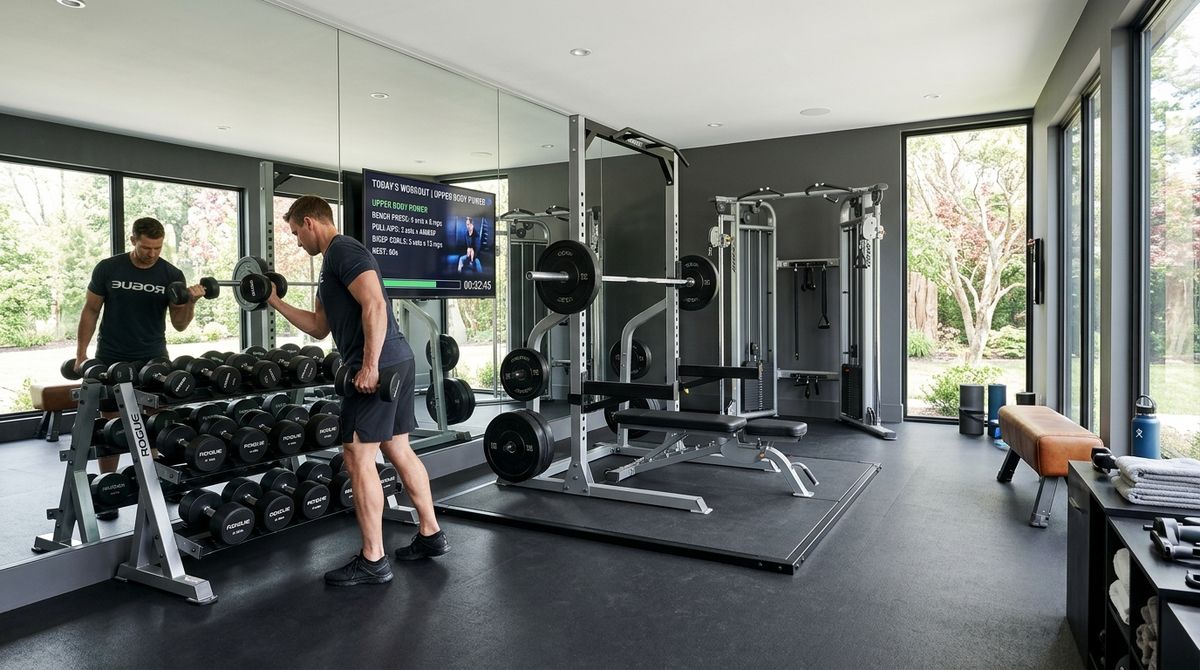
A home gym corner and a balcony garden can share the same modest space and still support a healthy, active household. The challenge is deciding what to buy first and how to spread the spending across the year. A monthly plan turns a long wish list into small, manageable steps. This article explains how to list essentials, buy used equipment with care, plant in stages, spread costs across the season, and track results each month. The advice is general lifestyle information about planning, not financial advice.
Listing the Essential Items
Start by writing down what you truly need for each space. For the gym corner, that might include a mat, a set of resistance bands, and a pair of adjustable dumbbells. For the balcony, consider a few containers, a bag of potting mix, and a watering can with a long spout. Separate the must-have items from the nice-to-have ones so that the first purchases stay focused. Put the list where everyone in the household can see it and add ideas as they come up.
Readers may also want to visit hostistry.com. Compare those lists with your own needs, and cross out anything that does not fit the room. Keep the list where it can be updated easily. A clear inventory prevents duplicate buying and makes each month’s plan easier to set.
Buying Used Gear Carefully
Used equipment can stretch a plan a long way, but it needs careful inspection. Check dumbbells for cracks in the coating, loose collars, or worn handles. Test resistance bands for tears or stiffness, and replace any that look thin. Buy from sellers who allow a look before payment, and avoid items that are heavily damaged.
You can also visit Linkseed for more reading. Clean all used equipment before it enters the home. Look for garden containers that drain well and have no sharp edges. Patient shopping often produces better results than a rushed purchase.
Planting in Stages
A balcony garden grows best when it is planted in stages. Start with a few hardy herbs or salad leaves that tolerate partial sun. Add larger containers only after you have learned how much light and water the space receives. Staged planting keeps the costs low and gives you time to adjust the layout.
Use vertical planters or railing boxes to make the most of a narrow balcony. Group pots by their water needs so watering takes less time. Check drainage holes before planting, and place a saucer under each container to protect the floor. A patient approach builds a healthy garden that suits the space. For a related read on this site, see Building Portable Content Kits for Customer Case Studies.
Spreading Costs Across the Season
Spreading costs across the season makes the plan easier to manage. Divide the list into monthly groups, with one or two items in each month. Early months might cover the basic gym mat and a few containers, while later months add accessories and seeds. Adjust the groups when the season changes or when a need becomes urgent.
Watch for seasonal patterns that affect the garden, such as the time to sow seeds or the period when plants need more water. Plan purchases to match those windows so that the garden thrives. A well-timed plan keeps the household steady, and it avoids the stress of buying everything at once. Spreading purchases also gives the household time to decide which items are worth keeping.
Tracking Spending Each Month
Tracking spending each month shows whether the plan is working. Record each purchase in a simple notebook or spreadsheet, along with the category and the reason. At the end of the month, compare the total with what you intended to spend. Small differences are normal, and noticing them early keeps the plan realistic. Tracking should feel like a helpful check-in rather than a strict test.
Review which items are actually used. A dumbbell that sits untouched is a signal to change the plan, while a container that produces fresh herbs is a sign to add more. Use these observations to guide the next month’s choices. Honest tracking makes every future decision easier. Over several months, those notes reveal which purchases give the most lasting enjoyment.
A Plan That Grows Slowly
A home gym corner and a balcony garden can grow together over time. Each month adds a small improvement, and the space slowly becomes more useful and welcoming. Patience is a key ingredient, because the best setups often come from steady choices rather than a single large purchase. Enjoy the process of building something that fits your life.
Keep a short note of what worked and what did not, and share the lessons with the household. Celebrate the first harvest and the first workout that felt easy. Invite family members to share their favorite moments from the garden and the gym. A plan that grows slowly tends to last longer, and it brings more satisfaction along the way.