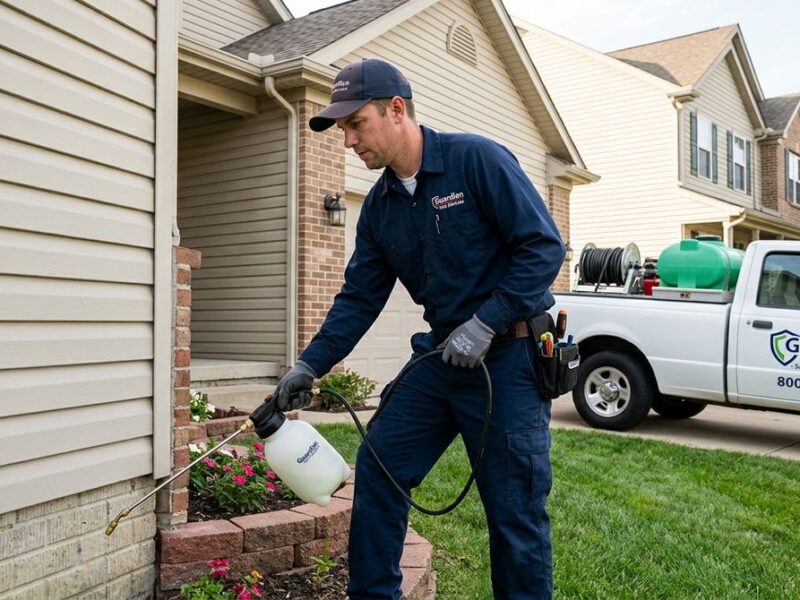
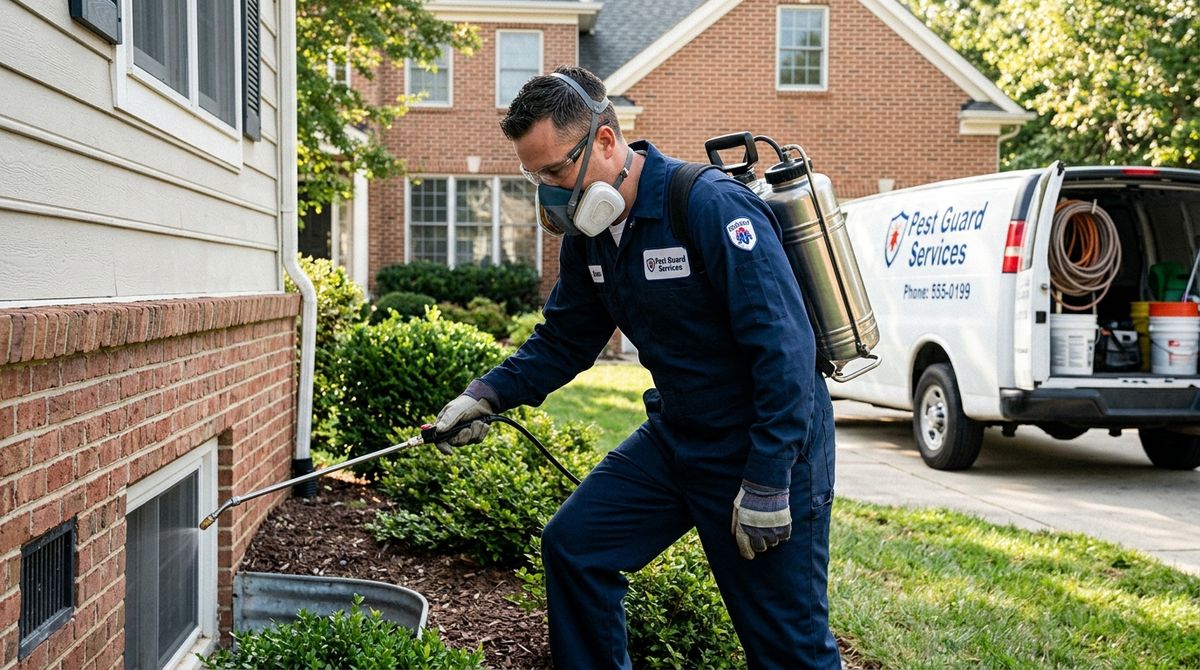
A new vegetable bed looks full of promise, but pests can wipe out young plants in a single week if they arrive first. Some homeowners call a pest control service before planting, while others wait for a problem to appear. The decision involves timing, safety, cost and the kind of pests in the local area. This checklist helps gardeners compare the options and decide whether professional help is worth it. It offers general gardening information and does not recommend any particular treatment or company. Work through the six checks below before you book a visit. Keep the list handy when you speak with a service, so you can ask each question in turn.
Pest Types in Your Area
Start by identifying the pests that are most likely to trouble your plot, because each one responds to different methods. Slugs, aphids, cutworms and root feeding grubs each cause damage in their own way and at different times of year. Walk the garden at dusk and early morning, and look under leaves and boards for signs of activity. Readers may also want to visit make-7.com. A clear list of likely pests helps you decide whether a professional visit is needed at all. Note the plants that were damaged in the past two seasons, since repeated damage often points to a steady pest population.
Treatment Methods and Safety Notes
Pest control can involve barrier methods, traps, biological options or chemical treatments. Ask the service which methods it plans to use, and why it chose them for your bed. You can also visit Small A Projects for more reading. Check whether the treatment is labeled for use on food crops, and ask how long the area must rest before harvest. Clear answers make it easier to protect the vegetables you plan to eat. Ask for the product label and the safety data sheet, and keep them with the garden records for future reference.
Timing Around Planting Dates
The best time for a pest visit is usually before the bed is planted, but the schedule must allow for drying and settling periods. Many treatments need a set number of days before new seedlings can go in, so plan the calendar carefully. Ask the service how long the effect lasts and whether a follow up visit is needed. For a related read on this site, see Deciding Whether a Live-Service Game Deserves Your Time. Good timing protects the seedlings from pests and from the treatment itself. Mark the planting date and the treatment date on the same calendar, so the two never collide.
Pet and Child Safety
A garden shared with children or pets needs extra care when any treatment is used. Ask the service where it will apply products, how long people and animals should stay away and what signs of irritation to watch for. Keep the area closed off until the recommended time has passed, and store any leftover product out of reach. Some families prefer non chemical methods where possible, and a good service will discuss those options openly. Safety questions should be answered in writing before any work begins. Keep those written answers with the invoice, so they are easy to find if anyone asks later.
Licensing and Insurance Questions
Pest control work is regulated in many areas, so check that the technician holds any required licence and carries insurance. Ask for proof of both before the visit, and keep copies with your garden records. A licensed company will explain its training and the products it uses without hesitation. Confirm who is responsible if a treatment causes damage to nearby plants or property. Clear paperwork protects both the homeowner and the service provider. Note the name of the technician and the date of each visit beside the paperwork, for a complete trail.
Follow Up Visits
Pest problems often return, so ask whether the service includes follow up checks. A second visit can confirm that the treatment worked and catch any new activity early. Discuss the cost of follow up visits before signing, and check whether they are included in the original price. Keep a simple log of the dates and findings, so you can compare the results over the growing season. Regular checks are often cheaper than a rescue treatment after the damage is done. Look at the bed each week during the first month, since early signs are easiest to manage.
Deciding on Professional Help
After the six checks, you should know whether your bed truly needs a professional or whether simple garden habits will do. Many gardeners manage small problems with traps, barriers and regular inspection, and call a service only when the pests outgrow those methods. If you do book a visit, plan the timing around the planting calendar and keep the paperwork close at hand. A careful decision keeps the vegetables healthy and the garden safe for everyone who uses it. Revisit the decision each spring, because pest pressure can change from one year to the next.