Running a small food business means balancing taste, speed and cost with a set of quieter responsibilities that customers rarely see. Temperature control, cleaning routines, allergen awareness and staff habits all shape whether food stays safe from the stove to the plate. Many owners learn these lessons the hard way after a close call. This article offers general, practical precautions that suit cafes, market stalls, catering kitchens and home-based producers. It is general information only, so always check the rules that apply where you trade. Local rules and licensing can change, so treat this article as a set of habits to discuss with the people who inspect your premises.
Monitor Temperatures Throughout the Day
Fridges and freezers should be checked at the start and end of each shift, and the readings should be written down. Keep a probe thermometer in the kitchen to confirm that cooked dishes reach a safe internal temperature before serving. Hot food held for service should stay hot, while cold items need to remain chilled. Readers may also want to visit BusinessPhrases. A simple log sheet clipped to the fridge door makes the habit visible to everyone. When a reading looks wrong, act on it at once rather than waiting for the next check. Record what you did in the log as well, so the response is visible if anyone asks later.
Separate Allergens and Label Everything
Customers with allergies depend on accurate information, and mistakes can be serious. Store allergen ingredients on separate shelves and use dedicated utensils wherever practical. You can also visit lcb-brand.com for more reading. Label prepared items with their main ingredients and the day they were made, not only the product name. Train every team member to answer allergen questions consistently, and to check with a manager when unsure. Clear labels reduce panic during busy service and protect the customers who need them most. Review the allergen information whenever a supplier changes a product or a recipe changes.
Build Clear Cleaning Schedules
Cleaning works best when it follows a written schedule rather than memory. Divide tasks into daily, weekly and deep clean groups, and assign a named person to each one. For a related read on this site, see Hiring a Pest Control Service Before Planting a. Store cleaning products away from food, and keep dilution instructions visible. Check that drains, extractor filters and cooler seals are part of the routine rather than occasional afterthoughts. A schedule on the wall turns cleaning into a shared, visible task. Ticking off each task on a printed sheet gives managers a quick way to see what has been completed.
Keep Staff Hygiene Consistent
Staff should wash hands before starting work, after handling raw items and after using the phone or taking out rubbish. Keep hair tied back, wear clean aprons, and ask anyone with a stomach upset to stay away from food handling until they are well again. Provide bandages in bright colors that stand out in food, along with gloves for relevant tasks. Handwashing sinks must never be blocked by storage boxes. Good hygiene is easier to maintain when the facilities make it simple and the expectations are clear from the first shift. Brief refresher talks every few months help new and experienced staff alike.
Control Pests and Storage Areas
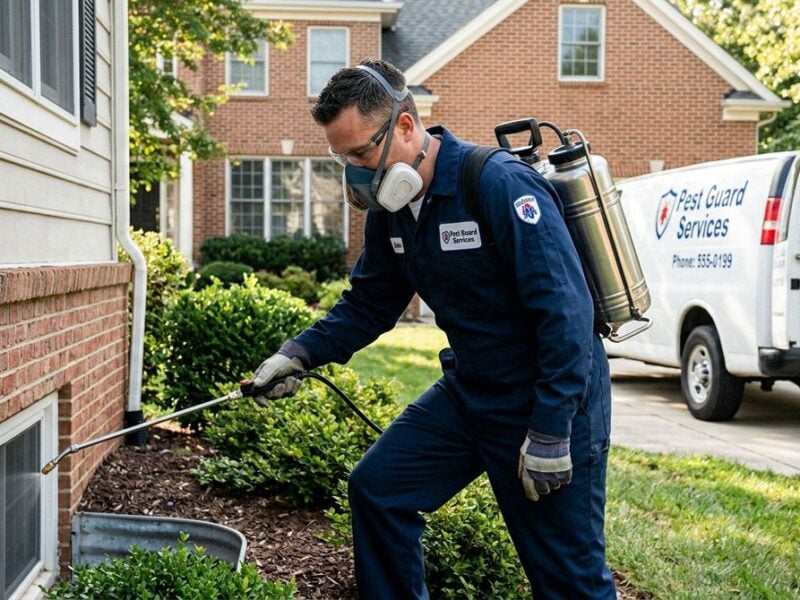
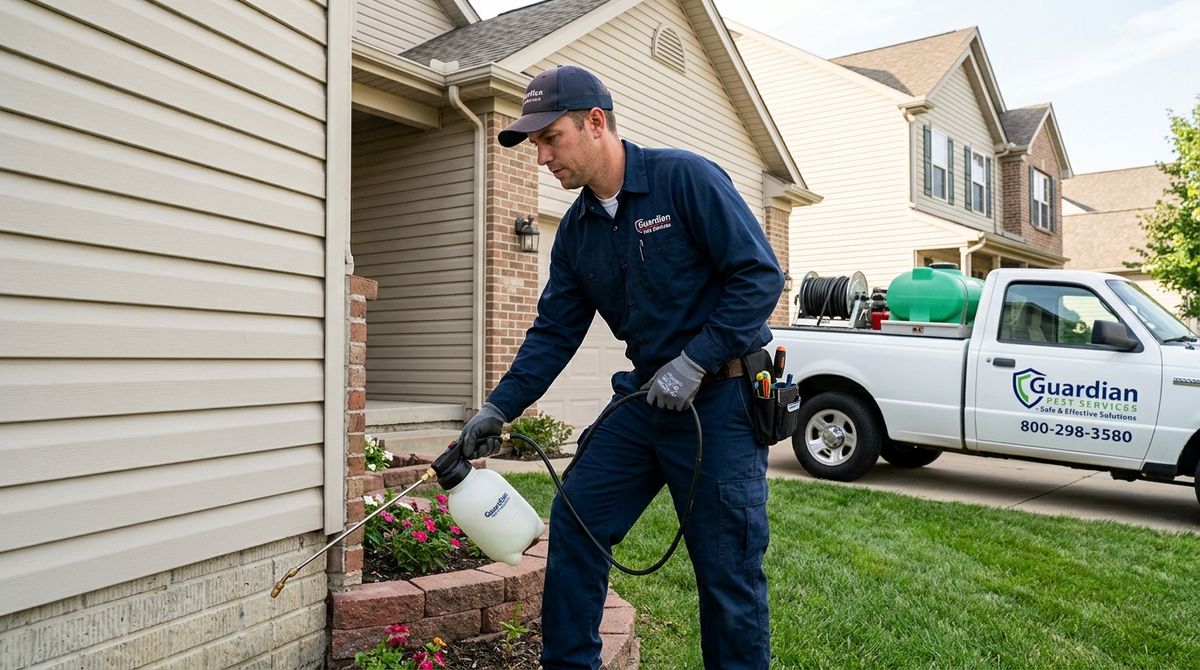
Rodents and insects are drawn to crumbs, damp corners and poorly sealed containers. Store dry goods in sealed bins off the floor, and rotate stock so older items are used first. Inspect delivery boxes before bringing them into the kitchen, and keep the back door closed during service. Arrange regular visits from a licensed pest control service and keep their reports on file. Report any damage to packaging so that it can be dealt with before it becomes a bigger problem. Tidy storage makes pest sightings far less likely. A quick walk around the premises at closing time is often enough to spot early signs of trouble.
Check Deliveries and Equipment
Check each delivery for temperature, packaging damage and the correct items before signing for it. Refuse anything that arrives warm when it should be cold, or that looks compromised in any way. Inspect knives, slicers and mixers for chips, cracks or loose parts, and remove faulty equipment from service. Keep manuals and service records together so repairs are straightforward. Small checks at the door prevent larger problems later in the week. Keep a simple note of any deliveries that were refused, so the supplier relationship stays clear.
Precautions That Protect Customers and Reputation
Food safety habits keep customers returning and staff working in a calm environment. Temperature logs, allergen labels, clear cleaning and tidy storage are inexpensive compared with the cost of a bad incident. Review the routine every few months and adjust it as your menu changes. A kitchen that runs on clear habits is easier to manage on the busiest day of the week. Good routines also make inspections less stressful for everyone involved. The best routines are the ones your team can explain in a sentence.