
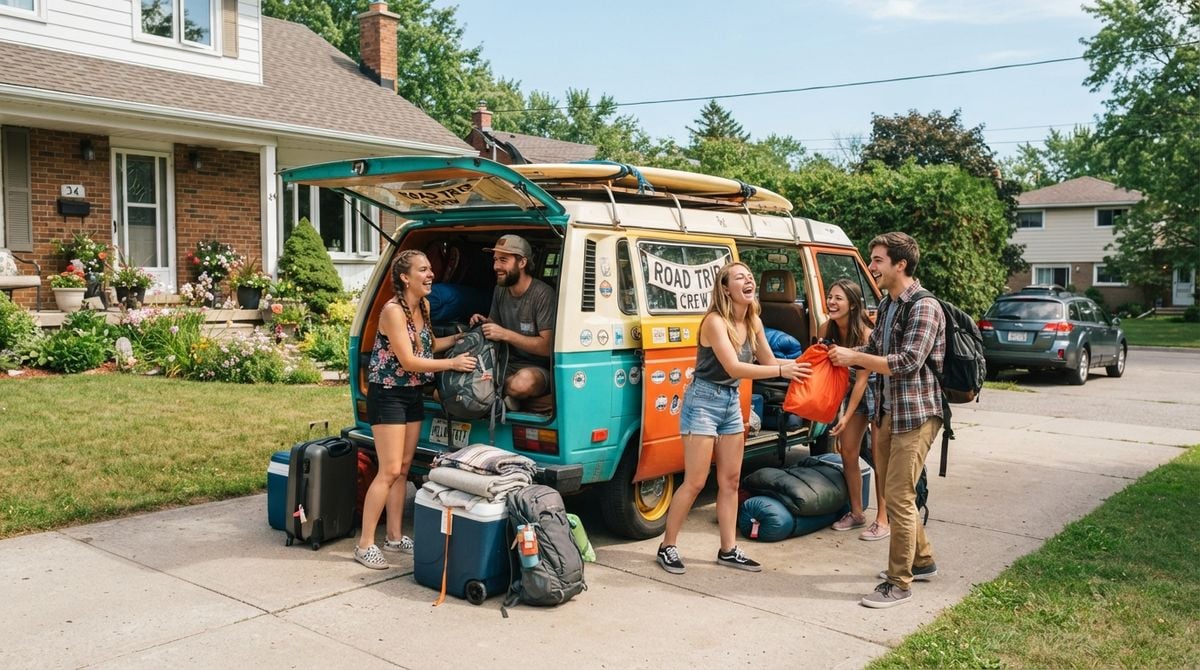
A traveler zips a suitcase on a warm afternoon, packing only shorts and sandals for a trip that turns out to include a chilly mountain evening. The bag feels light and organized until the first cold morning arrives. Packing for mixed weather is a skill that improves with a few simple habits and a clear sense of where each item belongs.
Travel plans shift quickly, and forecasts may change while a trip is underway. Packing well means preparing for several conditions without bringing everything you own. The mistakes below appear often among casual travelers, and each one can be fixed with a bit of planning before departure. A short list written the night before often catches the gaps that a rushed morning would miss.
Relying on One Outfit Type
Many travelers pack for the first day only and assume the weather will stay steady. Layers are more flexible than a single heavy coat or a single pair of thin shorts. A light base layer, a sweater and a windproof shell can handle most surprises. Readers may also want to visit Cartoolexpress.
Choose fabrics that dry quickly and feel comfortable in both heat and cool air. Bring a scarf or a thin wrap that fits in a daypack. Neutral colors mix easily, which keeps the bag small. Flexibility matters more than a large wardrobe. A single warm layer that packs small is often more useful than an extra pair of trousers. Laying out each outfit on the bed before packing shows quickly whether the pieces work together.
Stuffing Heavy Items in the Wrong Place
Placing heavy shoes or toiletry bags at the top of a suitcase can throw off balance and make the bag awkward to carry. Heavy items sit best near the wheels or the center of the bag. Roll soft clothing tightly and tuck shoes into corners. You can also visit antechauto.com for more reading.
Keep a small pouch for chargers, medications and documents that you need quickly. Put that pouch in a daypack rather than the checked bag if you can. Pack things you may need on the first night on top. A logical layout saves stress at arrival. A small zip bag for liquids also keeps leaks away from clothing.
Forgetting Shoes That Fit the Weather
Sandals work well in heat but may feel miserable on wet pavement or rocky trails. Bringing only one pair of shoes often leads to blisters or cold feet when plans change. Choose one comfortable walking pair that handles rain and one lighter option for warm days. Check the route for uneven ground before deciding. For a related read on this site, see Mistakes Mothers Make When Signing Children Up for.
Wear the heavier pair on the flight to free up space in the bag. Pack socks made for the conditions you expect rather than a random assortment. Dry shoes overnight after a rainy day so they are ready again. Good footwear makes the whole trip feel easier. Breaking in a new pair before the trip prevents most blister problems.
Underestimating Sun and Rain Protection
A cold trip can still bring strong sun at high altitude, and a warm trip can deliver sudden showers. Sunscreen, a hat and sunglasses belong in the bag for bright days. A compact umbrella or a rain jacket covers unexpected storms. Keep these items in an easy-to-reach pocket so they are never buried. A hat stored in the daypack rather than the suitcase is ready the moment the sun appears.
Check the local conditions for each destination rather than assuming the season tells the whole story. Pack a few plastic bags to protect electronics and wet clothing from moisture. These small precautions cost little space. They also prevent a minor shower from becoming a major problem. A lightweight cover for the daypack keeps the contents dry during a sudden downpour.
Overpacking the Just-in-Case Items
The urge to bring a backup of everything can fill a bag quickly and make it heavy to carry. Many items can be bought locally if they are really needed. Limit the list to essentials and one flexible extra layer for uncertain weather. A lighter bag is easier to manage on crowded platforms and stairs.
Weigh the bag before leaving home and remove anything that does not earn its place. Keep a short list of what you actually used on the last trip and compare it with the new one. Lessons from earlier journeys guide better choices later. A thoughtful pack feels good from the first step to the final gate. Checking the forecast one more time on the morning of departure can still bring a small change to the plan. Leaving one empty corner in the bag leaves room for souvenirs on the way home.
Packing With Calm for Changing Skies
Weather surprises are part of travel, but they need not spoil a trip. Layer thoughtfully, place heavy items wisely, choose footwear for real conditions, guard against sun and rain, and resist the urge to overpack. Each habit is simple on its own. Together they make a bag that suits the journey rather than fighting it.